
In an age of Google Maps, Waze, and GPS-guided tours, asking how to travel with a paper map might seem outdated. But seasoned travelers know a secret: paper maps never run out of battery, don’t need Wi-Fi, and won’t track your location.
Whether you’re backpacking through Europe, road-tripping across America, or exploring remote villages in Southeast Asia, knowing how to read and use a paper map is a travel superpower.
In this guide, you’ll learn:
-
Why paper maps still matter in 2026
-
How to choose the right map for your destination
-
Step-by-step navigation with a physical map
-
Combining paper + digital for the ultimate travel toolkit
Let’s unfold the journey.
🗺️ Why Travel with a Paper Map? (Top 5 Reasons)
Before we dive into how to travel with a paper map, let’s look at why millions of travelers still carry one.
| Reason | Explanation |
|---|---|
| No battery, no signal | Works anywhere – mountains, deserts, foreign cities |
| Big-picture view | See entire regions at once, not just turn-by-turn |
| Memory booster | Physically folding a map improves spatial memory |
| No tracking | 100% private – no apps collecting your data |
| Emergency backup | When your phone dies, your map saves you |
“A paper map is a travel insurance policy that costs $5.” – Unknown
* How to Travel with a Paper Map: 7 Simple Steps
1. Buy the Right Map Before You Leave
Not all maps are equal. For international travel, choose:
-
Road atlas → Best for driving tours
-
Topographic map → Hiking & camping
-
City pocket map → Urban exploration
-
Geographic map → Understanding terrain & borders
- Pro tip: Look for tear-resistant, waterproof paper maps from brands like National Geographic, Stanfords, or Michelin.
2. Understand Map Basics
If you forgot what you learned in school, here’s a quick refresher on how to read a paper map:
-
Compass rose → Shows north, south, east, west
-
Scale bar → 1 cm on map = 1 km in real life
-
Legend → Explains symbols (parks, airports, hospitals)
-
Grid coordinates → Letters + numbers (e.g., B4, F7)
🔹 Practice at home before your trip. Navigate your own neighborhood using only a paper map.
3. Orient the Map to Your Direction
This is the #1 rule of how to travel with a paper map correctly:
Turn the map so that what’s in front of you is also at the top of the map.
-
If you’re walking north → map’s north points forward
-
If you’re walking south → turn the map upside down
This is called “orienting the map” and it instantly makes navigation intuitive.
4. Use Landmarks, Not Just Street Names
Paper maps don’t have a “you are here” dot. Instead, learn to read the landscape:
-
Churches, towers, monuments → Visible from far away
-
Rivers, bridges, parks → Natural boundaries
-
Train stations, plazas → Major hubs
🔹 Example: In Paris, locate the Seine River first. Then find the Eiffel Tower. Everything else falls into place.
5. Fold and Protect Your Map
Nothing ruins a trip faster than a shredded map. Learn how to travel with a paper map without destroying it:
-
Fold like an accordion (zig-zag) – not a rectangle
-
Store in a ziplock bag – waterproof + tear-proof
-
Use a map case – clear plastic sleeve
-
Never refold the same way twice – prevents holes at creases
6. Combine Paper + Digital (Hybrid Navigation)
Smart travelers don’t choose one over the other. They use both.
| When to use PAPER | When to use DIGITAL |
|---|---|
| Planning the day | Finding a specific café |
| Understanding a city layout | Real-time traffic updates |
| When battery is low | Walking the last 200 meters |
| In remote areas | Checking opening hours |
🔹 Pro method: Use your phone to find your destination, then navigate there using your paper map. Your battery lasts all day.
7. Practice Before You Go
The best way to learn how to travel with a paper map is to practice somewhere familiar:
-
Take a weekend trip to a nearby town
-
Leave your phone in your bag
-
Navigate using only paper
You’ll make mistakes. You’ll walk the wrong way. That’s exactly how you learn.
📍 Real-World Example: Using a Paper Map in Rome
Scenario: You’re standing near the Trevi Fountain and want to walk to the Pantheon.
| Step | Action |
|---|---|
| 1 | Pull out your Rome pocket map |
| 2 | Find the Trevi Fountain symbol |
| 3 | Locate the Pantheon (15-minute walk east) |
| 4 | Orient the map: face east, turn map so east is up |
| 5 | Follow Via del Seminario and Via della Minerva |
| 6 | Look up – you’ll see the Pantheon’s dome before you arrive |
No Wi-Fi. No battery. No stress.
🎒 Best Paper Maps for Travelers (2026 Recommendations)
| Destination | Recommended Map | Price |
|---|---|---|
| Europe (multi-country) | Michelin Europe Road Atlas 2026 | €18 |
| USA road trip | Rand McNally Road Atlas | $15 |
| Hiking (anywhere) | National Geographic Trails Illustrated | $15 |
| City travel (e.g., Paris, Tokyo, London) | Streetwise laminated pocket map | $8 |
| World travel (backup) | World Political Map (folded) | $10 |
All available on Amazon, Stanfords, or at AAA/CAA offices.
❌ Common Paper Map Mistakes to Avoid
-
❌ Buying a map at the airport → Limited selection, high prices
-
❌ Using a map from 1998 → Roads change, cities grow
-
❌ Not carrying a compass → A map without direction is useless
-
❌ Folding randomly → Tears within days
-
❌ Panicking when lost → Relax, find a landmark, re-orient
🧠 Final Thoughts: Why Paper Maps Make You a Better Traveler
Learning how to travel with a paper map changes the way you see the world.
-
You notice architecture instead of a blue dot
-
You remember street names instead of screen taps
-
You feel confident instead of anxious
-
You have a souvenir that tells a story
Digital tools serve you. Paper maps teach you.
So before your next flight to Madrid, Vienna, Asia, Middleast or Budapest – pack a paper map. Your phone will thank you. And so will your sense of adventure.
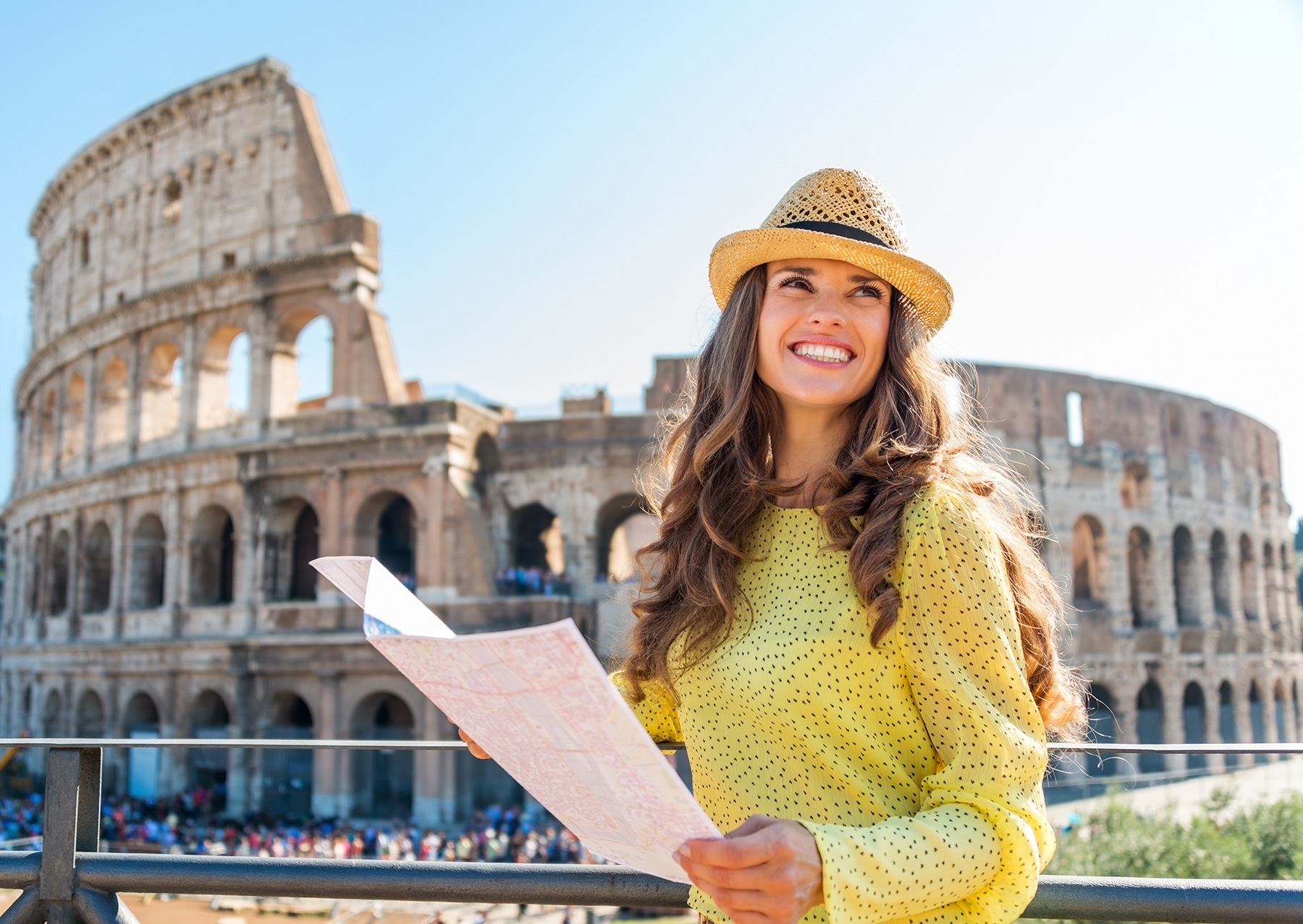
🧠 Final Thoughts: Why Paper Maps Make You a Better Traveler
Learning how to travel with a paper map changes the way you see the world.
-
You notice architecture instead of a blue dot
-
You remember street names instead of screen taps
-
You feel confident instead of anxious
-
You have a souvenir that tells a story
Digital tools serve you. Paper maps teach you.
So before your next flight to Madrid, Vienna, or Budapest – pack a paper map. Your phone will thank you. And so will your sense of adventure.